Minister for Children, Disability and Equality, Norma Foley, today published the report of the National Youth Assembly of Ireland on Play and Recreation.
Children and young people between the ages of 8 and 24 years discussed and made recommendations at the Assembly about what needs to be considered in a new National Play and Recreation Strategy.
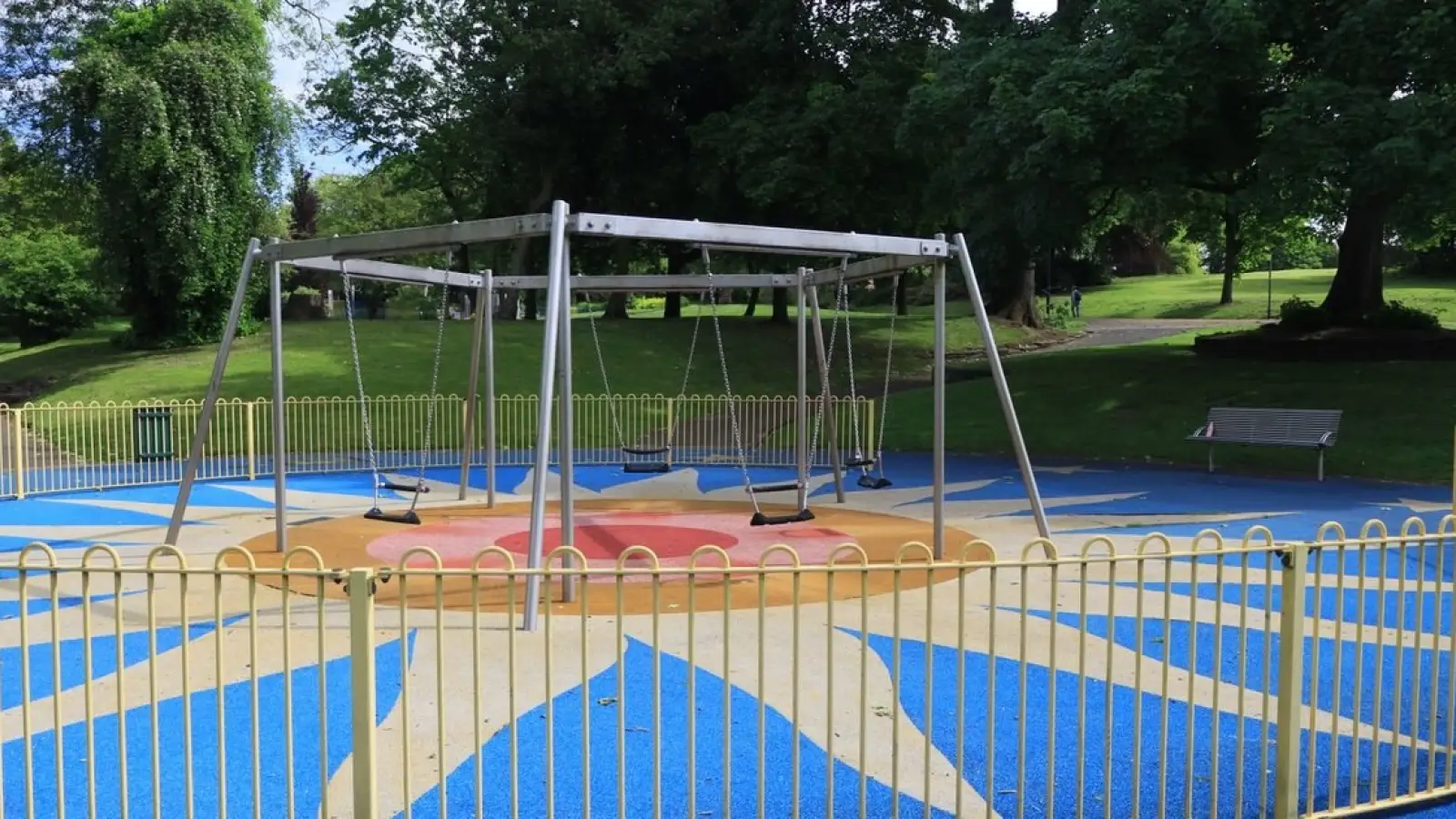
Children identified a wide range of places where they spend time and play, including parks, playgrounds, football pitches, astroturf facilities, gyms, swimming pools, local streets, shops, spaces within their homes and nature-based spaces such as forests, sea sides and hills.
Many children spoke about the importance of space when playing outside, but they often preferred indoor play due to being able to avoid rain and cold.
The National Youth Assembly report found that children value opportunities for free and unstructured play, particularly in contrast to more organised or adult-led activities.
Minister Foley also announced the opening of a broader public consultation process for the new national Play and Recreation Strategy.
Minister Foley said:
‘We have heard from children and young people, through the National Youth Assembly, about what they think is important to include a new national Play and Recreation Strategy. I am now opening a public consultation on the Strategy where parents, teachers, youth workers, and for all of those involved in the lives of children and young people can have their say.
Play and recreation are crucial to child and youth development. The new national Play and Recreation Strategy will put in place a whole-of-Government approach to providing opportunities, facilities and time for play and recreation.”
The National Youth Assembly on Play and Recreation was co-hosted by the Department of the Taoiseach and the publication of the report was welcomed by Taoiseach Micheál Martin.
Taoiseach Micheál Martin said:
“ Every young person - no matter where they live or what their circumstances, deserves the space, the time, and the freedom to play. Play is how we learn to solve problems, to work with others, to take risks safely, and to discover who we are.
I was pleased to co-sponsor the National Youth Assembly on Play and Recreation this year.
We received really valuable feedback from all the children who took part in the Assembly and I am looking forward to seeing the results of this consultation process.”
In the National Youth Assembly report, many children spoke about the importance of space when playing outside, highlighting that outdoor environments allowed them greater freedom of movement. As one child explained, “outside [has] more space; you can run everywhere,” while another described how outdoor play enabled activities such as football, running, and spending time with friends.
At the same time, indoor play was often preferred due to comfort and environmental constraints. Children frequently referenced weather conditions, particularly cold or wet environments, as limiting their ability to play outside. One child noted, “it’s cold… it’s always warm inside,” while others described outdoor spaces as being uncomfortable if heating was not available.
There was a strong preference among children for playing in groups, reflecting the importance of social interaction in their play experiences. Children consistently described group play as more enjoyable and engaging, with one child stating, “it’s more fun… it’s not lonely,” and another explaining that playing with others meant “you’re gonna have a lot of friends.”
Children said they value both loud and quiet play, as well as exciting and calm activities, with preferences changing depending on mood, activity, and context.
Young people aged 12-18 highlighted commercial spaces such as supermarkets and cafes as primary social meeting points, although cost remained a barrier as they felt forced to be “paying customers” to use the seating.
There was a strong call for improvements centred on the creation of “third spaces”, environments where young people can socialise freely without the expectation to spend money or participate in structured activities.
Young people emphasised the importance of weather-proof social spaces, including sheltered seating, marquees, and gazebos. They also highlighted the need for more diverse, non-sport activities, such as creative and hobby-based spaces.
The right to play and recreation is included specifically in Article 31 of the United Nations Convention on the Rights of the Child (UNCRC), which places an obligation on State parties, including Ireland, to recognise the importance of play and to respect and promote the right of the child to enjoy recreational and leisure activity.
The consultation will seek to assess:
1. 1 . What is working well in your area for play and recreation?
What is not working well in your area for play and recreation?
3. What needs to change in your area for play and recreation?
4. What are the priorities for the new National Play and Recreation Strategy?
The public can share their views in one of two ways, beforemidnight on the 23 rd of December 2026.
Option 1: By responding to an online survey
Option 2: By open submission, following the guidelines provided.
Responses will be collated into a report which will feed into the national Play and Recreation Strategy. The report will be published as part of the Strategy.
Further details on how to have your say are available at the following link:Play and Recreation Strategy Public Consultation
The consultation is open fromthe 20 th of November and runs until the 23 rd of December 2026.
Source: Department of Children, Disability and Equality press release, 20 November 2026. https://equalityie-newsroom.prgloo.com/news/minister-foley-launches-report-of-the-national-youth-assembly-of-ireland-on-play-and-recreation-and-opens-the-public-consultation-for-the-new-national-play-and-recreation-strategy